
Workspace Safety: Best Practices for Handling Pneumatic Tools in the Hangar
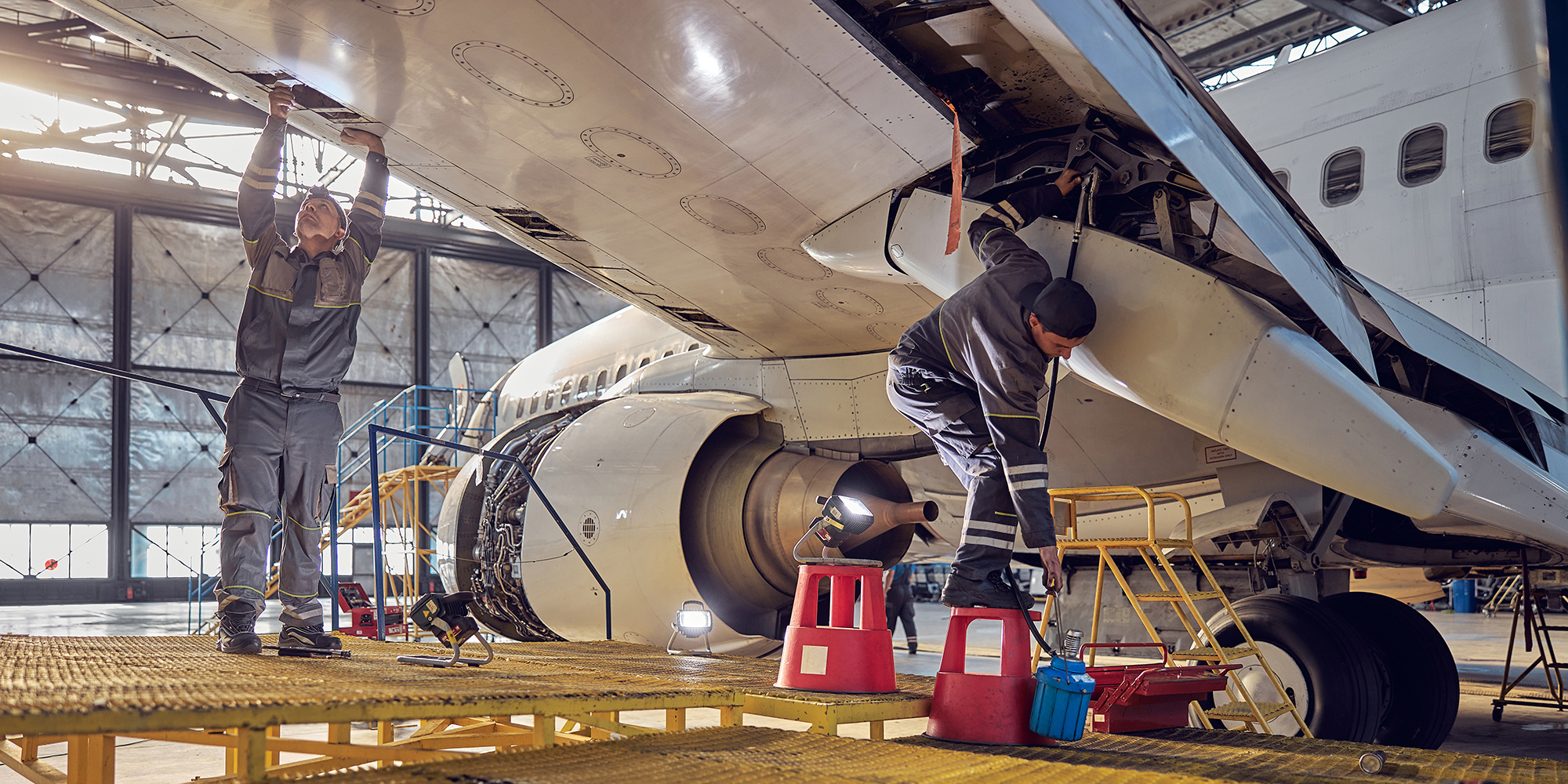
Precision Requires Protection
In the high-stakes environment of aerospace manufacturing and MRO, pneumatic tools—from riveters to grinders—are indispensable for their power and efficiency. However, the same forces that make air tools so effective also introduce workplace hazards. At USATCO, we understand that achieving micron-level precision and maintaining structural integrity starts with a safe workspace. Following strict guidelines for pneumatic tool usage is non-negotiable for protecting personnel and preserving valuable equipment.
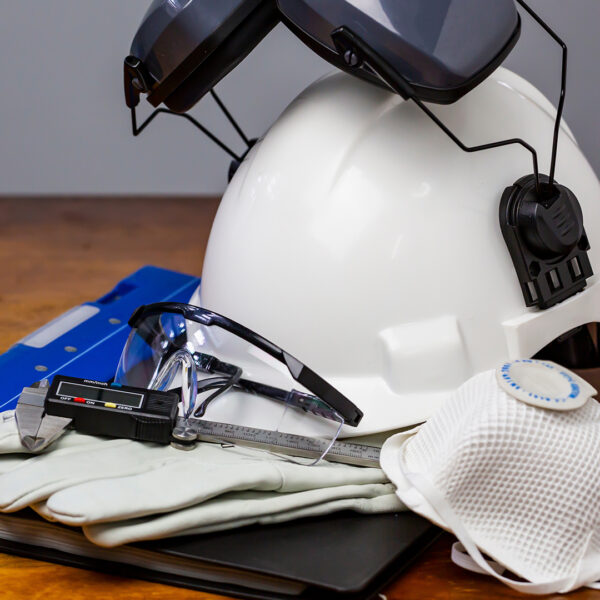
The Foundation: Always Wear Personal Protective Equipment (PPE)
The single most important step in pneumatic tool safety is utilizing the correct PPE. Air tools generate noise, vibration, and high-velocity debris. Technicians must wear ANSI-approved safety glasses or face shields to guard against flying chips and particles. Hearing protection, such as earplugs or earmuffs, is crucial to prevent hearing damage from loud compressors and tools. Additionally, durable work gloves can mitigate vibration exposure and improve grip.
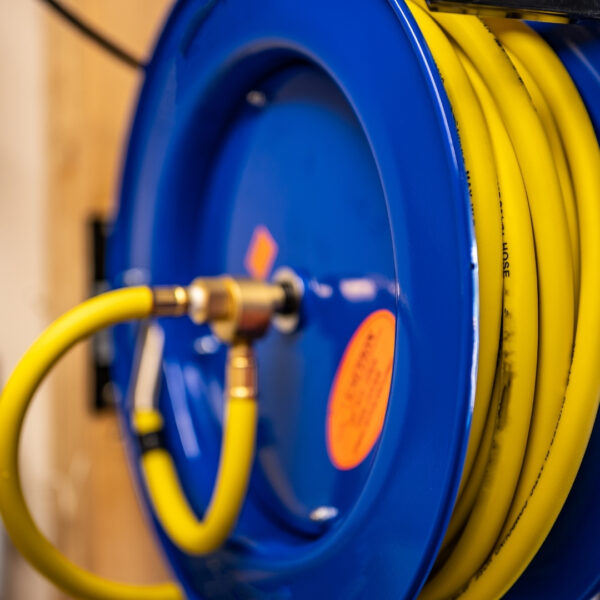
Hose Management and Connection Integrity
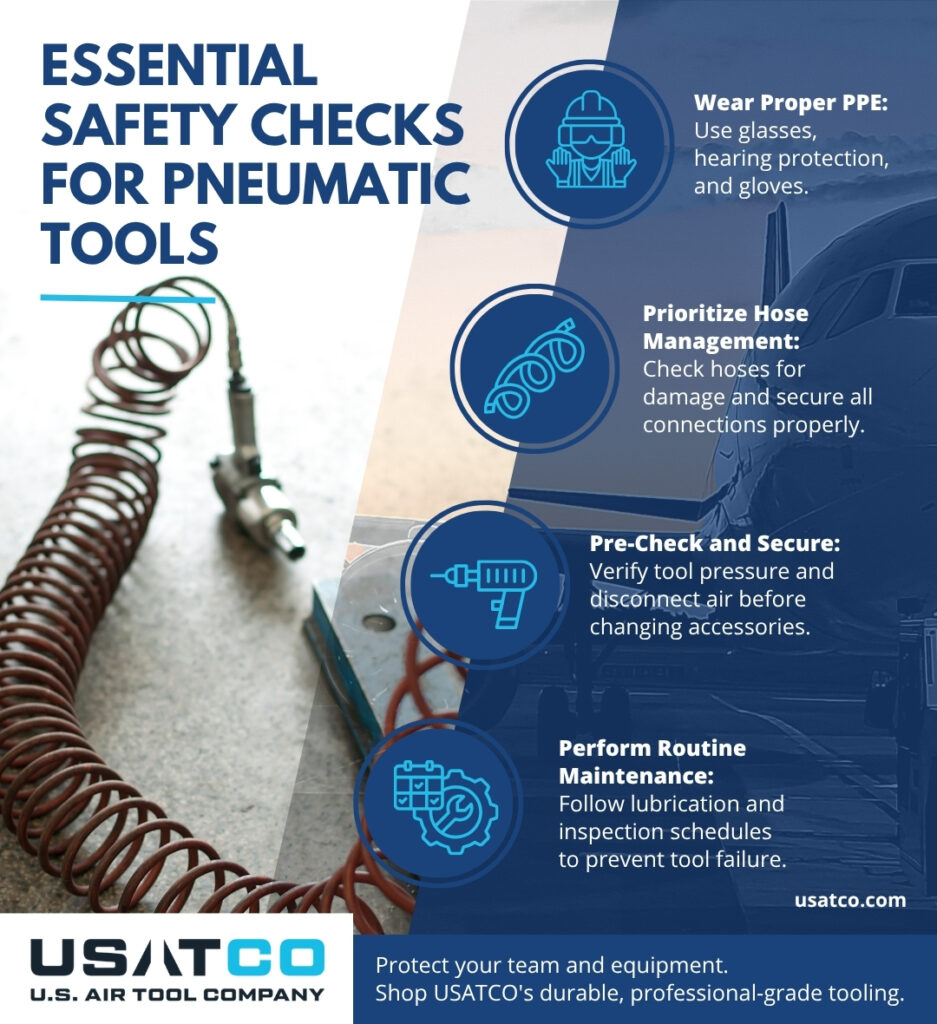
The air supply line itself is a primary source of hazard if not handled correctly. Before connecting a tool, inspect air hoses for cuts, leaks, or fraying. Ensure all couplings and connectors are securely fastened to prevent accidental disconnection, which can turn a hose into a dangerous whip. When disconnecting, always shut off the air supply and bleed the line pressure before detaching the coupler. Never drag hoses across walkways or permit them to create trip hazards.
Safe Tool Handling and Pre-Operation Checks
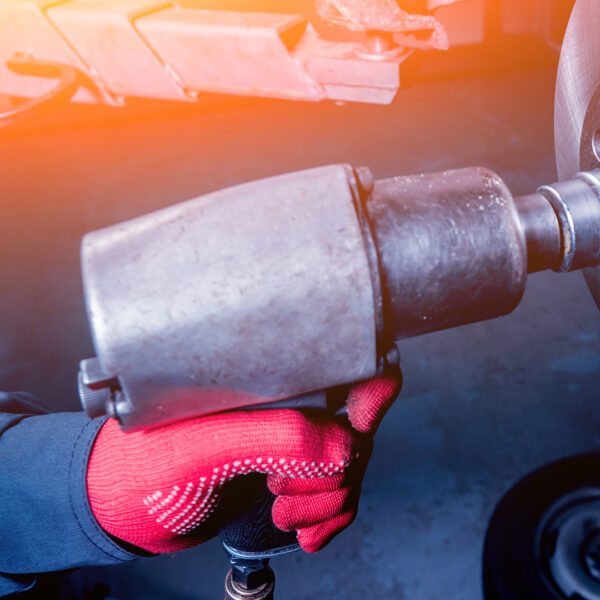
Prior to use, a pre-operation checklist should be standard practice. Confirm the tool is appropriate for the task and verify the operating pressure. Most importantly, ensure that safety features—such as trigger locks or guards—are functional. Never carry a tool by the hose, and disconnect the air supply whenever you change accessories (like drill bits or rivet sets), clear jams, or leave the tool unattended. This eliminates the risk of accidental activation.
The Lifeline: Routine Tool Maintenance
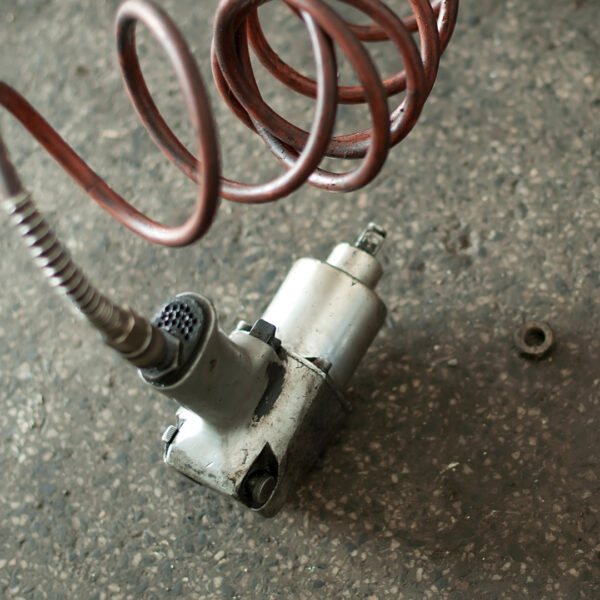
Well-maintained tools are safer tools. Following the manufacturer’s recommended schedule for lubrication and inspection prevents mechanical failures that could injure the operator. Tools operating outside their designated pressure range due to clogged filters or worn internal components are less predictable and more prone to malfunction. Consistent, routine maintenance not only extends the life of your investment but also ensures reliable, safe operation every time.
Invest in Tooling Safety and Quality
Safety in the hangar is a shared responsibility, built on proper training, vigilance, and the use of reliable, high-quality tools. By committing to these pneumatic safety best practices—from donning the right PPE to meticulous hose management and maintenance—you safeguard your team and the integrity of your work.
Equip your team with the highest quality, professional-grade tools designed for safety and endurance. Browse USATCO’s ISO-certified selection today!