The Economics of Tooling: How Fuel Efficiency Drives Aircraft Design and Maintenance Needs

Where Pounds Equal Pennies
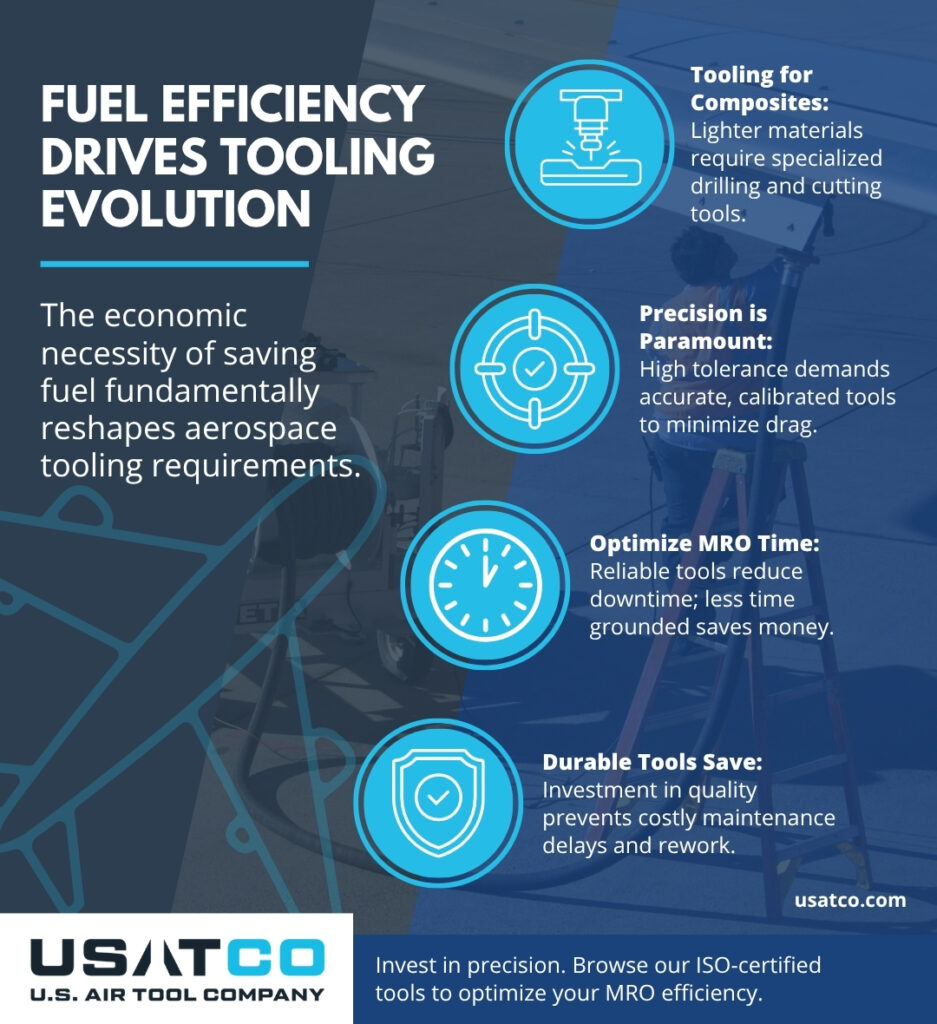
In commercial aviation, fuel is often the single largest operating expense. Consequently, the relentless pursuit of fuel efficiency dictates almost every major decision in aircraft design, manufacturing, and maintenance. This economic imperative directly influences the type of materials used (such as lighter composites), the tolerances required in assembly, and ultimately, the specialized tools needed for MRO. For USATCO, understanding the economic drive for efficiency is key to supplying the precise, high-performance equipment that supports this evolving industry.
The Shift to Lighter Materials and Composites
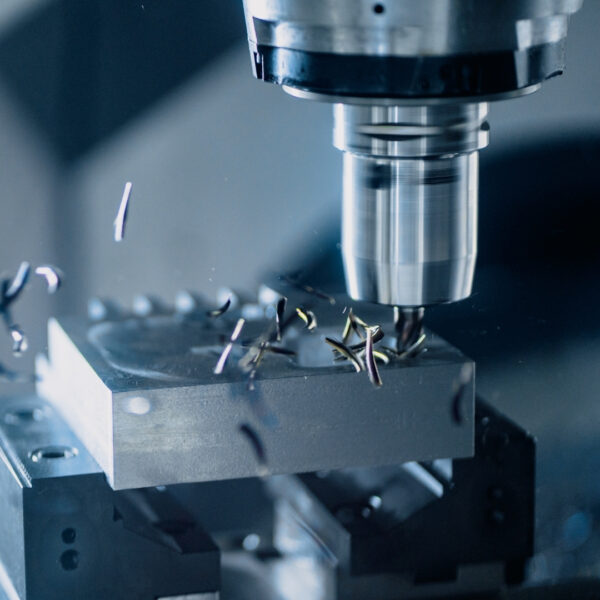
To save fuel, modern aircraft increasingly substitute heavy metals with lightweight composite materials like carbon fiber-reinforced polymer (CFRP). While beneficial for flight economics, this material shift fundamentally changes MRO needs. Traditional sheet metal tools are insufficient; technicians now require specialized tooling for composites, including:
-
Precision drilling equipment to prevent delamination.
-
Dust extraction systems to manage hazardous composite dust.
-
Specialized cutting tools designed to shear, not tear, the material.
This drives new tooling investments that favor precision over brute force.
High-Tolerance Assembly and Maintenance Demands
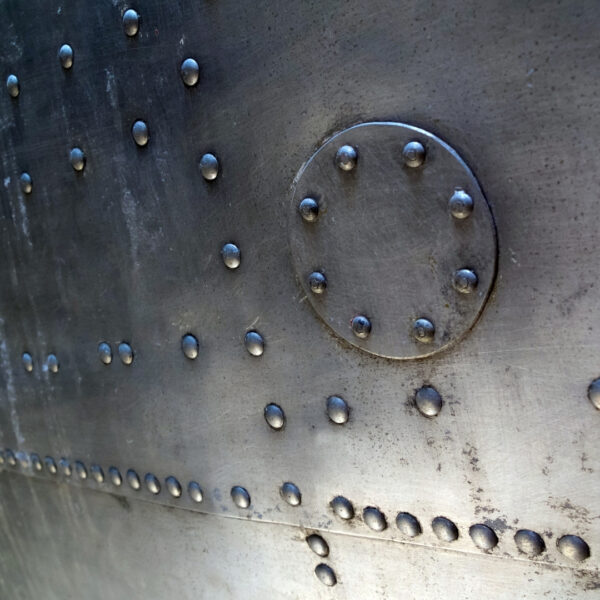
Fuel efficiency is significantly achieved through advanced aerodynamics, which requires extremely high tolerances in assembly. Any gap, uneven surface, or misaligned component can increase drag, wasting fuel. This heightened standard means MRO facilities must use calibrated and certified tooling to a degree never before required. Tools like specialized torque wrenches, precise measurement gauges, and alignment systems are critical. The cost of a few misplaced rivets or an inaccurate fastener setting far outweighs the cost of the necessary precision tools, making high-quality equipment an economic necessity.

MRO Strategy: Extending Life, Optimizing Performance
For airlines, achieving peak fuel performance means keeping engines and airframes operating at maximum efficiency for their entire lifespan. This demands a proactive, predictive MRO strategy. Tools that facilitate non-destructive testing (NDT), rapid component replacement, and on-condition maintenance become high-value assets. The investment in these advanced tools reduces aircraft downtime (saving on leasing costs) and ensures the aircraft returns to service with its fuel-saving performance optimized, directly affecting the airline’s bottom line.

The Economic Value of Tool Reliability
When an aircraft is grounded due to a maintenance delay, the economic loss is substantial. In the MRO environment, every minute counts. Tools that are robust, reliable, and backed by strong support are not just convenient—they are insurance against costly delays. Investing in professional-grade, durable tools—rather than cheaper alternatives—pays for itself by minimizing tool breakage, preventing rework, and ensuring compliance, all of which contribute to faster turnarounds and greater overall fleet efficiency.
Shop Professional-Grade Aerospace Tools
The pursuit of fuel efficiency is transforming aerospace at every level, and the tools required for manufacturing and MRO must evolve with it. The economics clearly demonstrate that precision, reliability, and specialization in tooling are essential to maintaining the competitive edge in the modern aviation market.
Equip your team with the highest quality, professional-grade tools designed for safety and endurance. Browse USATCO’s ISO-certified selection today!